
LED Lights in Singapore 2026: Types, Cost Comparison & Buying Tips
If you’re looking into LED lights in Singapore in 2026, here’s the short answer: the best ones depend on the type of lights you want. You’ve got bulbs, ceiling lights, downlights, panels, strip lights, tubes, floodlights and smart systems — and prices can start from as low as $6 and go past $200, depending on quality, brand and installation. The right choice really comes down to your space, brightness needs, and how much you want to save on electricity over time.
This guide is written for real buyers, including HDB owners planning a simple room upgrade, condo residents doing a renovation, retail shops reworking their lighting layout, and contractors comparing bulk options. If you’re in research mode before making a purchase, you’re in the right place.
Here’s what you’ll find below:
A clear breakdown of the main types of LED lights Singapore buyers choose
A realistic LED light price Singapore comparison (entry-level to premium)
Custom LED light and installation cost expectations
How much you can actually save long term
A practical framework to choose based on room type, brightness (lumens), colour temperature and IP rating
By the end, you shouldn’t just “understand” LED lights; you should feel confident picking the right one.
What Are the Main Types of LED Lights?
If you’re shopping for LED lights in Singapore, these are the main types you’ll come across:
LED bulbs – The standard screw-in type (like E27 or GU10) that replace traditional bulbs in lamps and basic fixtures.
LED ceiling lights – Slim, surface-mounted fixtures that light up an entire room evenly.
LED downlights – Small, focused lights installed either recessed into the ceiling or mounted onto it.
LED panel lights – Flat, square or rectangular lights often used in offices for bright, uniform lighting.
LED strip lights – Flexible light strips used for cove lighting, cabinets, shelves or feature walls.
LED tubes – Direct replacements for old fluorescent T5 or T8 tubes.
LED floodlights – Powerful outdoor lights used for security, carparks or building exteriors.
Smart LED lights – App-controlled or voice-controlled lights with dimming and colour-changing features.
Each type serves a different purpose. The best one for you depends on where it’s going, how bright you need the space to be, and whether you’re prioritising cost, aesthetics, or smart features.
Read more about LED lighting ideas for Singapore homes.
Complete Breakdown of LED Light Types in Singapore
Let’s slow this down and talk about each type the way a buyer would actually think about it — what it is, where it makes sense, how powerful it usually is, and what you’ll realistically pay in Singapore.
LED Bulbs (E27, E14, GU10)
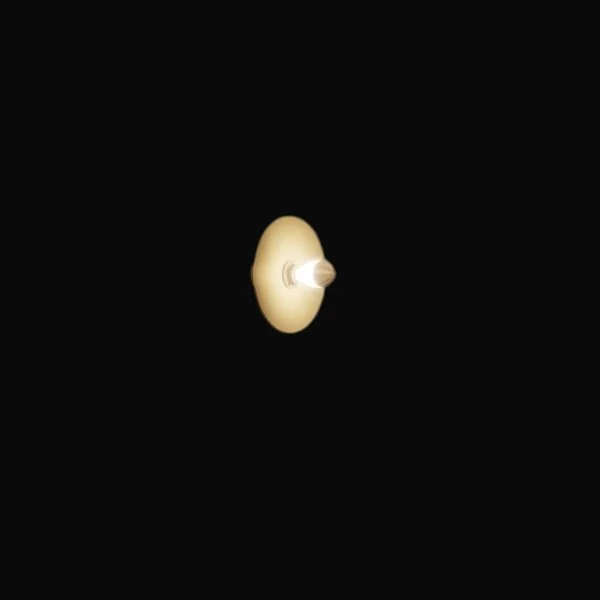
LED bulbs are the simplest starting point. They’re the direct replacement for old incandescent or halogen bulbs and come in familiar fittings like E27, E14 and GU10. If you’re just swapping out a bedroom lamp or upgrading a small fixture, this is usually what you’ll buy. In most homes, they run between 5W and 12W, which is more than enough for bedside lamps, study corners or smaller rooms. The appeal is obvious: they’re cheap, easy to install yourself, and widely available across any LED lights Singapore retailer. The downside? One bulb rarely lights up a large space evenly, and ultra-cheap options sometimes don’t last as long as advertised. Expect to pay anywhere from $3 to about $25 SGD, depending on whether you’re buying a custom led light, basic bulb or a dimmable or smart version.
LED Ceiling Lights Singapore
LED ceiling lights are full fixtures that mount directly onto the ceiling, giving broad, even illumination across a room. They’re especially common in HDB flats where there’s no false ceiling to hide recessed lighting. Price-wise, you’re generally looking at SGD 12 to over SGD 400, with smart-enabled or designer models sitting at the higher end. Many people choosing LED ceiling lights Singapore stores prefer slim, low-profile designs that look clean and modern. These typically range from 15W to 50W, depending on the room size. They’re great for lighting up living rooms and bedrooms evenly without needing multiple fixtures. On the flip side, they’re less flexible if you want layered lighting or dramatic effects.
LED Downlight (Recessed & Surface Options)
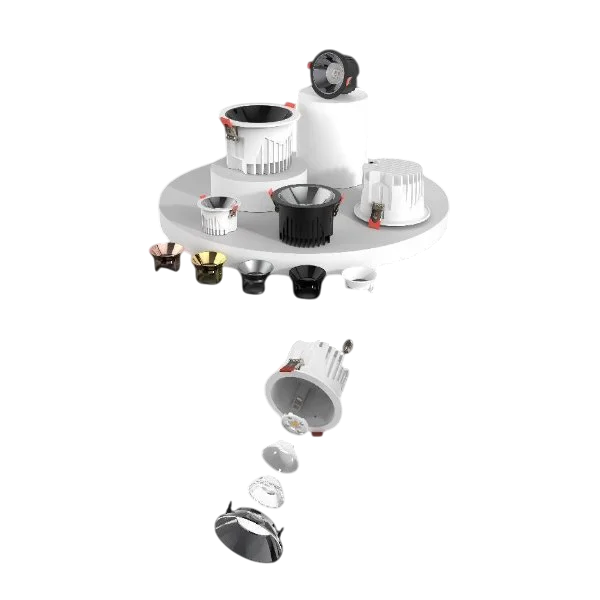
A LED downlight is that neat, focused ceiling light you often see in newer condos and offices. It throws light downward in a controlled beam, making the space feel clean and intentional.
A recessed LED downlight sits inside a ceiling cut-out so the fixture is almost flush. This type of led downlight is popular in false ceiling designs because it gives that minimalist finish people love in a led downlight ceiling layout. They usually run between 7W and 15W each. The benefit is a sleek, professional look and good layering flexibility. The trade-off is that installation requires proper cut-out sizing and ceiling depth, so it’s not always suitable for older HDB units without renovation.
A surface mounted LED downlight, sometimes referred to as a surface downlight led option, is fixed directly onto the ceiling without cutting into it. It’s ideal for HDB flats without false ceilings or for simpler upgrades. Wattage typically ranges from 7W to 20W. It’s easier to install and works well for retrofits, though it’s slightly more visible compared to recessed versions. Across both styles, prices usually fall between $3 and $150 SGD, depending on brand and finish.
LED Panel Lights
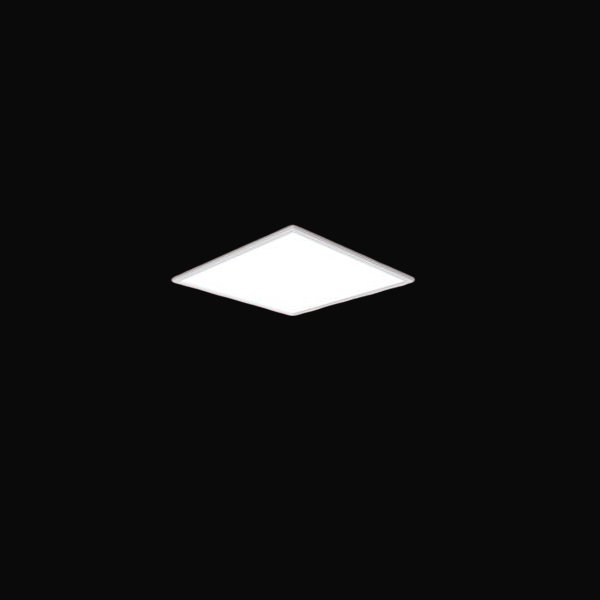
LED panel lights are flat, broad fixtures designed to spread light very evenly. If you’ve walked into an office with bright, consistent lighting and minimal shadows, you’ve likely seen panel lights in action. They’re common in commercial units, clinics and classrooms, usually in 2x2 or 2x4 sizes, and often operate between 36W and 48W. In Singapore, they typically cost between $3 and $150 SGD. Their strength lies in uniform brightness and reduced glare, which makes them comfortable for work environments. The drawback is that they’re more functional than decorative and usually require compatible ceiling grids or mounting frames.
LED Strip Lights
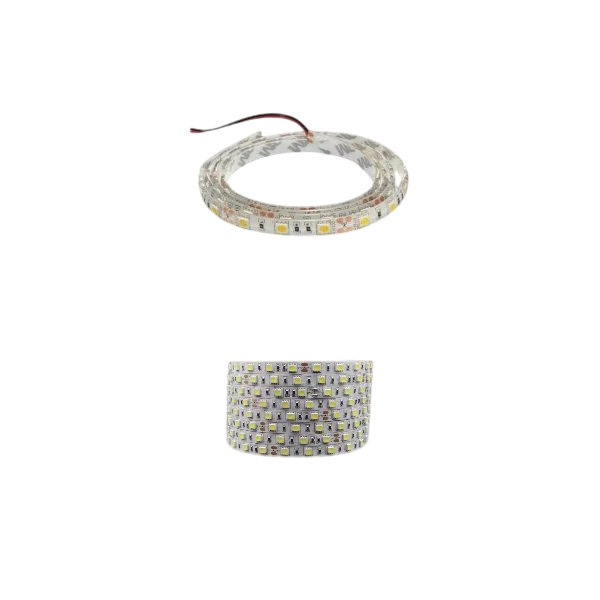
LED strip lights are flexible light strips that can be cut and shaped to fit different spaces. They’re typically used for cove lighting, under kitchen cabinets, behind mirrors or along display shelves. The big advantage is flexibility — they’re perfect for mood lighting and indirect illumination. You can also find waterproof versions for humid areas and RGB smart versions for colour effects. The main limitation is installation quality: a poor driver or cheap strip can lead to uneven brightness over time. Pricing generally ranges from $6 to over $100 SGD depending on specifications. Many suppliers offer custom LED light configurations depending on brightness and length requirements. Power usage varies widely but usually falls between 4W and 20W per metre.
LED Tubes
LED tubes are made to replace traditional fluorescent tubes directly. They’re commonly installed in kitchens, service yards, carparks and warehouses where functionality matters more than aesthetics. Most operate between 8W and 20W depending on length. Compared to fluorescent tubes, they consume less electricity, don’t flicker, and last longer. However, some setups may require minor wiring adjustments during replacement. They’re practical rather than decorative, and pricing usually falls between $5 and $30 SGD.
LED Floodlights
LED floodlights are powerful fixtures designed to light up large outdoor areas. In terms of cost, they generally range from $10 to $200 SGD depending on output and build quality. They’re used for building exteriors, carparks, security lighting and warehouses. Their strengths are brightness and durability, especially when rated IP65 or IP66 for Singapore’s humid, rainy conditions. The limitation is that improper placement can create glare or harsh shadows. Wattage can range from 20W all the way up to 200W depending on how much area you need to cover.
Smart LED Lights
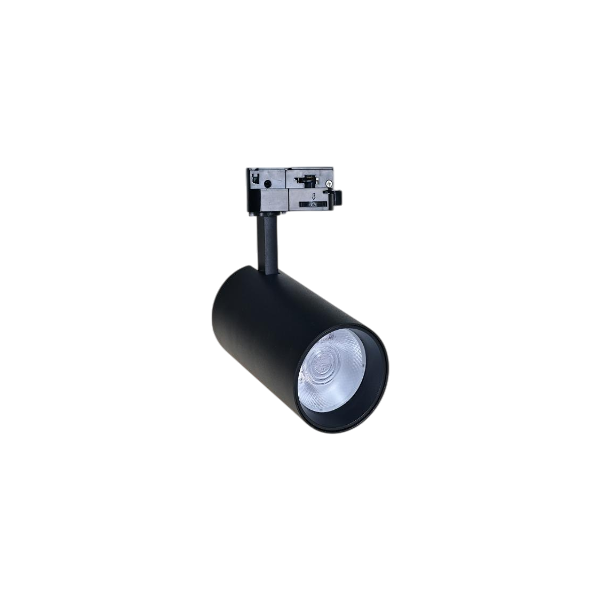
Smart LED lights are just the upgraded versions of standard fixtures or bulbs that connect to WiFi or Bluetooth. They allow you to control brightness, colour temperature and scheduling through an app or voice assistant. More homeowners upgrading their led light Singapore setups are considering smart options for convenience and automation. Wattage is similar to standard LED equivalents, but the value lies in control and flexibility. The main drawbacks are higher upfront cost and reliance on stable internet connectivity. Expect prices anywhere from $7 to over $400 SGD depending on whether it’s custom led light, a smart bulb, strip, or full fixture.
How Much Do LED Lights Cost in Singapore?
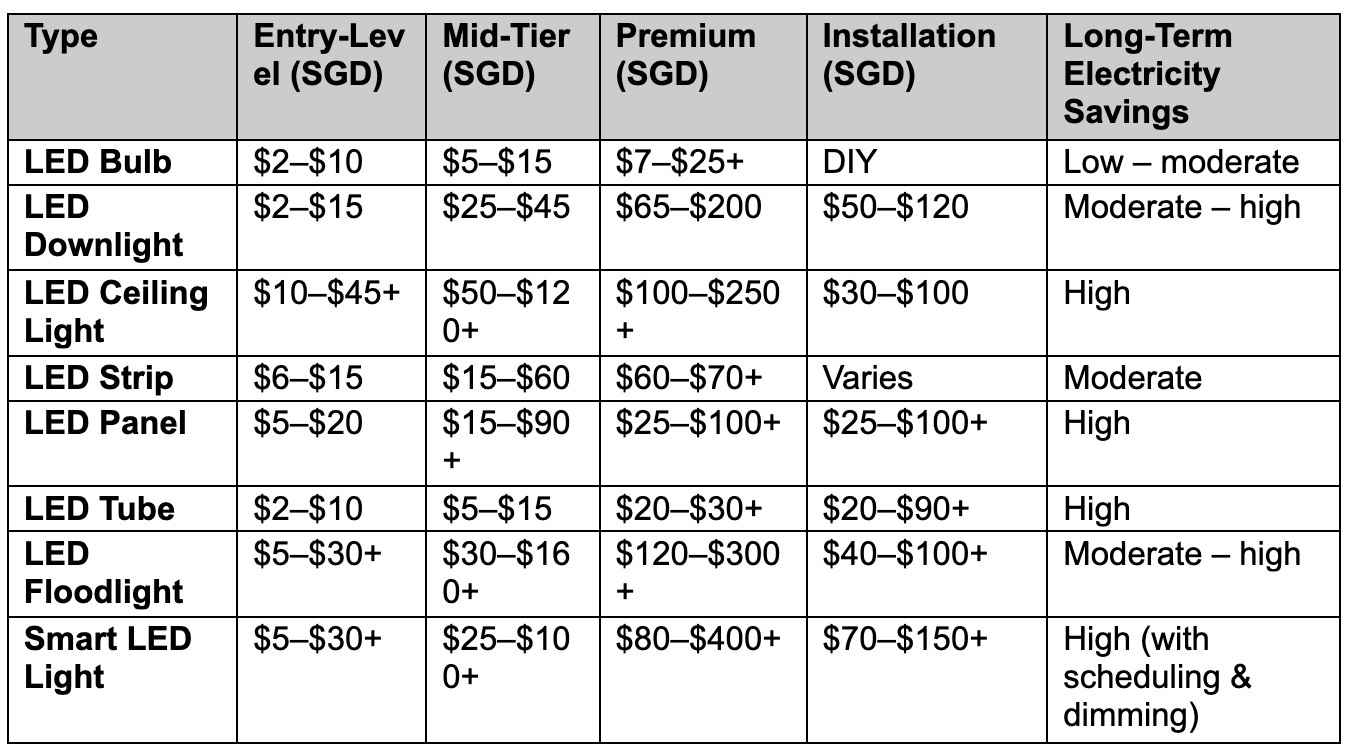
LED lights in Singapore typically cost between $2 SGD for basic bulbs and over $200 SGD for premium smart ceiling fixtures. Installation costs range from $30 to $150 per point depending on the complexity of the fitting.
Here’s a quick comparison of typical LED light prices in Singapore across different tiers:
How to Decide Which LED Light Works for You
Picking the right LED light really depends on where you’re putting it. Living rooms work well with LED ceiling lights or a layout of downlight LEDs for even lighting. In the kitchens, you can add panel lights or LED strips along counters, while bedrooms feel cosier with warm white downlights. Bathrooms need moisture-safe, IP-rated recessed downlights, and outdoor spaces should use floodlights with at least an IP65 rating.
Brightness is key. A simple way to plan it is by lumens per square metre: small rooms do fine with 200–300 lux, kitchens need 300–500 lux for prep work, and offices or workspaces often require 500 lux or more. Colour temperature also affects the vibe: 3000K gives warm, relaxing light; 4000K feels neutral; 6500K is crisp and cool.
Don’t forget humidity. IP ratings show how protected lights are from water and dust. IP20 is fine indoors, IP44 handles splashes, and IP65+ keeps lights safe in Singapore’s humid climate.
Lastly, think long term. Good LEDs last 25,000–50,000 hours, but cheaper options can overheat and dim faster. Proper heat management in humid environments keeps your lights bright, efficient, and reliable — saving electricity and replacement costs in the years ahead.
HDB vs Condo vs Commercial Considerations
Choosing the right LED lights depends a lot on the type of property. HDB flats often have lower ceilings, which makes recessed lights tricky, so slim LED ceiling lights Singapore or surface-mounted downlights are usually the safest bet. False ceiling retrofits are possible but add time and cost. Condos generally offer more ceiling space, letting you use recessed downlights, panels, or even decorative track lighting for a modern look.
In commercial spaces, lighting needs are bigger and more functional. Retail stores often rely on track lights to highlight products, while offices prefer large LED panel lights for even, glare-free illumination across work areas.
If you’re unsure where to start, a quick search for “LED light shop near me” can show what’s available locally. Think about ceiling height, room function, and installation ease — getting it right upfront makes your space look brighter, more inviting, and energy-efficient.
Final Thoughts Before You Buy
If there’s one thing to take away from all this, it’s this:
Don’t start with “What’s the best LED light?”
Start with:
What kind of space do I have?
What kind of ceiling am I working with?
How bright do I actually need it?
Is moisture a factor?
Am I thinking short-term or long-term?
When you answer those properly, the “right” option usually becomes obvious.
Lighting is not only about seeing better. It changes how a space feels. Warmer tones make rooms feel relaxed. Neutral tones feel clean and practical. Cooler tones can feel sharp — sometimes too sharp.
Plan properly, compare realistically, and don’t just chase the cheapest number on the shelf.
Modern lighting design starts with selecting high-quality LED light in Singapore solutions that balance efficiency and aesthetics. From versatile LED strip lighting to focused illumination using LED track lights, each element plays a role in enhancing your space. For cleaner and brighter environments, options like LED flat panel lights and reliable LED drivers in Singapore ensure optimal performance.
Curious about your options? Check out local LED light shops near me, explore different designs, or request a quote to see what fits your space best.
FAQs About LED Lights
Are LED lights really cheaper in the long run?
Yes, most of the time. They use less electricity and last way longer than traditional bulbs. But don’t expect to see huge savings overnight. It’s over a few years that the difference becomes clear. A cheap bulb might save you a few dollars now but fail in months — the more reliable ones pay off in the long run.
Which LED lights are best for a small room?
Usually a simple ceiling fixture or a couple of well-placed downlights. You don’t need to go crazy. The goal is balanced light, not blinding brightness. A tiny room can feel surprisingly cozy with the right warm tone.
How many lumens or how bright LED lights should I aim for?
A rough guide: 200–300 lux works for living rooms, 300–500 for kitchens, and more for workspaces. Don’t stress about exact numbers. Just check how it feels — if it’s dull, add a little more. If it’s glaring, tone it down.
Are LEDs okay for bedrooms?
Absolutely. Warm white (around 3000K) feels relaxing and gentle on the eyes at night. Avoid harsh cool white unless you’re doing a study corner or workspace.
How long do LEDs actually last?
Good-quality LEDs can last 25,000–50,000 hours. Cheap ones? Maybe a fraction of that. Heat and humidity shorten lifespan, so don’t skimp on quality in bathrooms or near the kitchen.
Can LEDs handle Singapore’s humidity?
Yes, if you pick the right IP rating. Bathrooms, balconies, and outdoor areas need a proper waterproof rating (IP44, IP65, etc.) or you’ll be replacing them sooner than expected.
Which LED lights should I choose? Recessed or surface-mounted downlights?
Recessed looks cleaner but needs enough ceiling depth and often a false ceiling. Surface-mounted is simpler and works perfectly for HDB flats or quick upgrades. You can choose function over aesthetics, unless you’re renovating a condo where surface-mounted often makes more sense.